November 2023
In this email we bring you our continuing monthly series of blogs written by our seminarians. We hope you find their writings spiritually uplifting and educational.
Music at Bishop Simon Bruté College Seminary:
For the love of the Truth
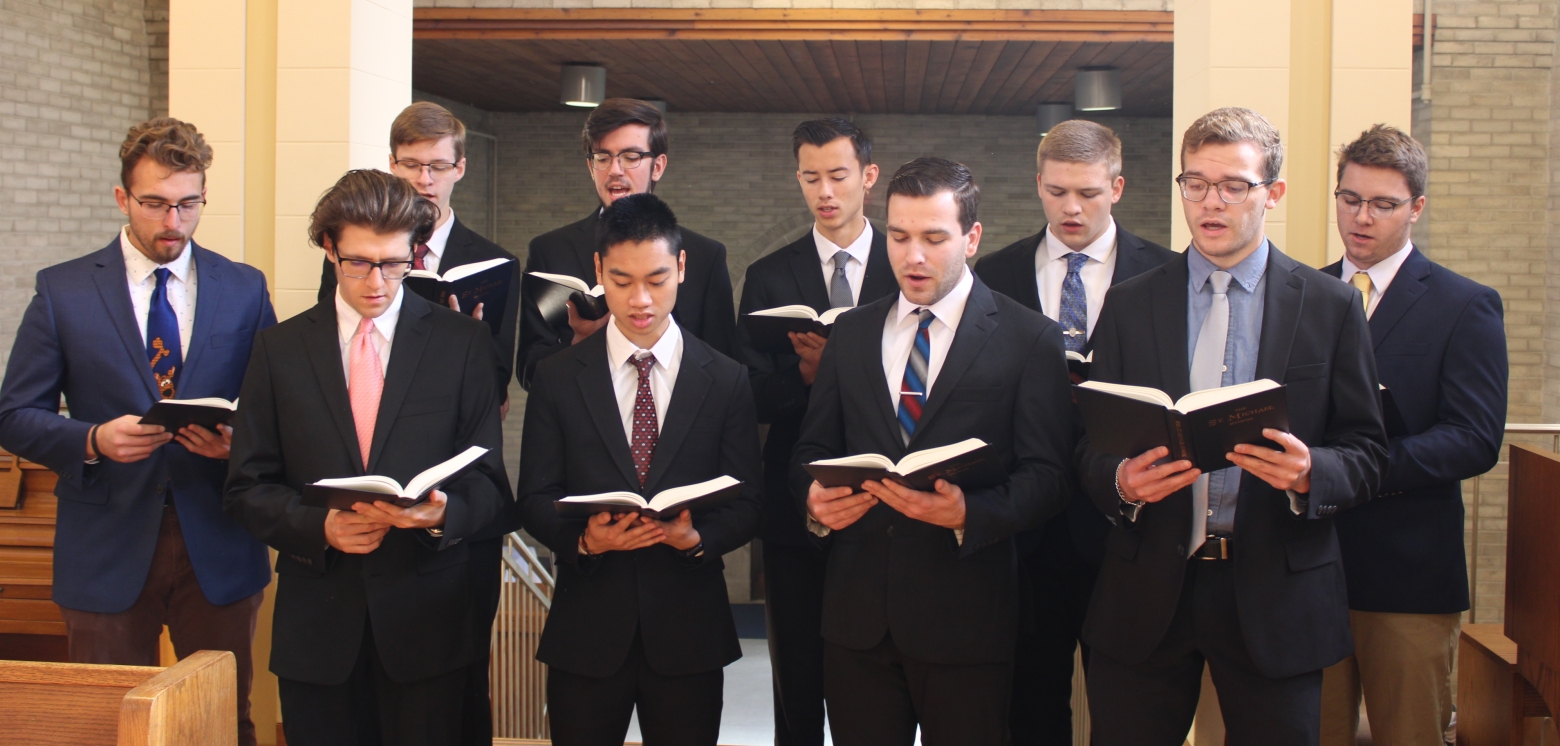
Bruté Schola singing at Sunday Mass
In past years, the schola cantorum (Latin for "school of singers") here at Bishop Simon Bruté College Seminary was made up of those who sang at Sunday liturgies. While this way of arranging Schola seemed most practical, it restricted Schola to those who already felt comfortable in the world of singing. This year at Bruté we decided to take a different approach. We restructured Schola practice so that it would be less focused on preparing for Sunday Mass and more on learning about the Catholic heritage of liturgical music. We found this to be much more inviting: we are happy to say that 18 of the 19seminarians at Bruté are now members of the Schola. Each week we gather for vocal exercises, solfeggio practice, and a whole lot of camaraderie. We are even blessed with the assistance of the choir director from Holy Rosary parish, who holds a biweekly Gregorian chant workshop for us.
The driving force to get as many seminarians as possible involved in the schola was a simple conviction: beautiful music is not only for the experienced, but for every soul. Beauty is the attractive power of the truth. When we see or hear something beautiful, we encounter the truth of who God is.
Liturgical music (the kind of music we are studying here at Bruté), has the same revelatory power. More than merely pleasing the sensibilities of those present, music in the liturgy makes active and present an otherwise intangible spiritual reality: the Song of Heaven. We can call this music beautiful to the extent that we glimpse the Song of Heaven here on earth.
In the Church’s wisdom, she has championed certain forms of music that most effectively convey this truth. Of all these, Gregorian chant holds the primacy. There are many reasons for this, but I will offer just two. First, chant gives prominence to the words of salvation history (usually from Sacred Scripture), as its melodies “come out” of the text, as opposed to the text being forced to fit a melody (as in many hymns). Secondly, being without meter, chant possesses a uniquely spiritual character. It sounds like a continuously flowing river, carrying the soul up to heaven through its ethereal movements. This primacy of Word and Spirit excellently mirror that Song that the Word sings through the Spirit to the Father in perfect adoration. We are so blessed to be immersed with this sort of music here at Bruté.
Whether the seminarians will go on to be trained singers is not the principal goal of the Schola. Rather, we are content that they are becoming aware of the Church’s rich musical heritage and in turn becoming better equipped to help others appreciate its beauty. If it is true that Our Lord “desires not the death of any sinner, but that he be converted and live” (Ezekiel 18:23), then we can be confident that Our Lord wants every human being to take part in His wedding feast. We hope that Schola at Bruté will inspire the Church’s future priests to bring this reality ever closer to Christ’s faithful. Having tasted the good things of God through beautiful music, the faithful may know that their happiness lies in the vision of the Almighty.

Levi Wojtalik is a Bruté seminarian studying for the Archdiocese of Indianapolis and a member of the Class of 2025.
Bishop Simon Bruté Giving Society
*New Starting July 2023!*
Your gift of $1,000 or more will recognize you as a member of the Bishop Simon Bruté Giving Society. Members will receive special gifts and experiences. At each level, all previous level benefits are included.
- Bishop Chartrand Circle with gifts of $1,000 - $2,499 will receive a Bruté Prayer Journal.
- Cardinal Ritter Circle with gifts of $2,500 - $4,999 will be invited to Sunday Mass on May 19, 2024 at the seminary followed by donuts and coffee.
- Archbishop O’Meara Circle with gifts of $5,000 to $9,999 will be invited to Evening Prayer and Mass on March 14, 2024 with the seminarians followed by a light dinner at the seminary.
- Archbishop Buechlein Circle with gifts of $10,000 and above will be invited to the spring semester opening Mass on January 7, 2024 at the seminary with Archbishop Thompson followed by a light breakfast.
Castle Nights
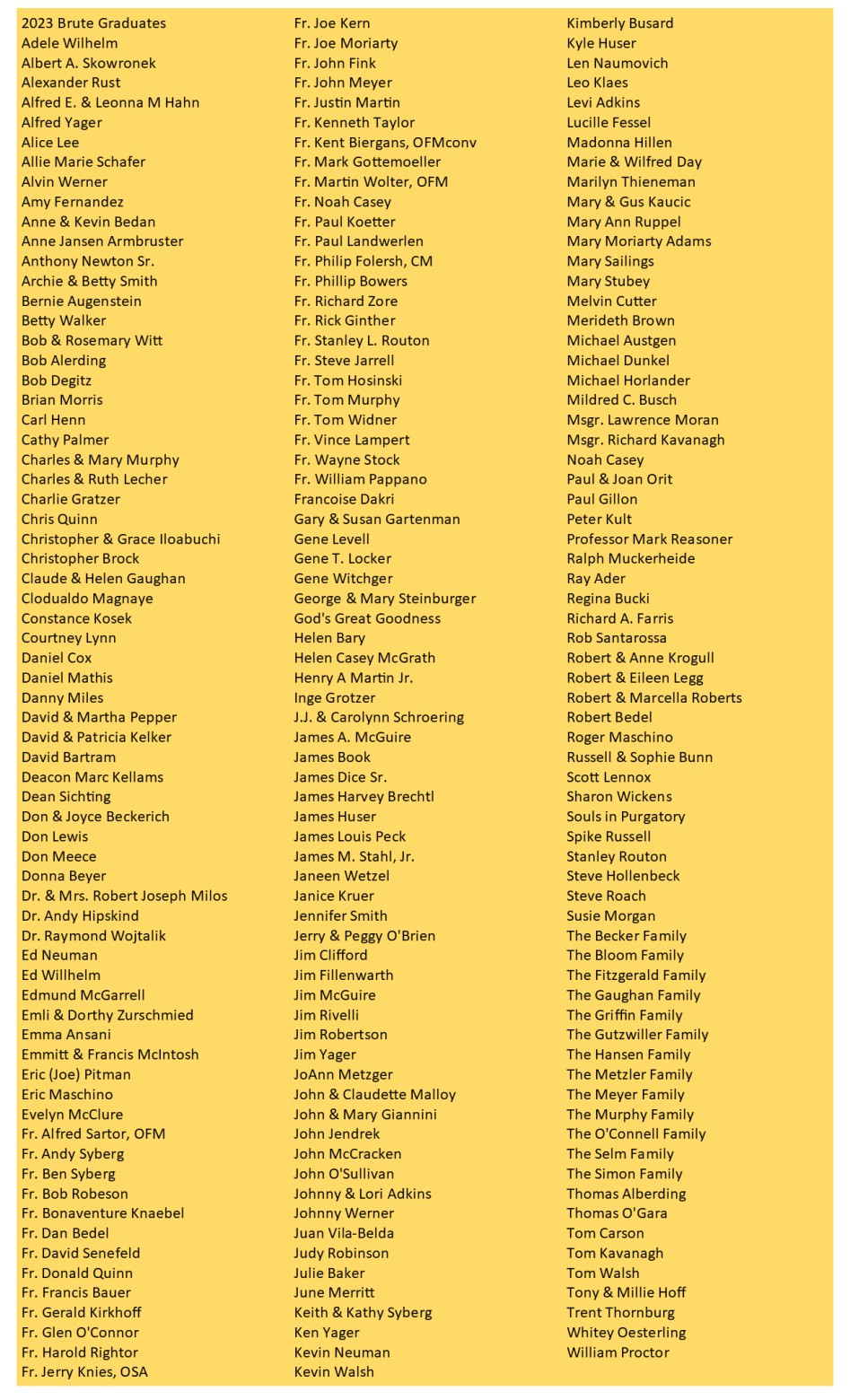
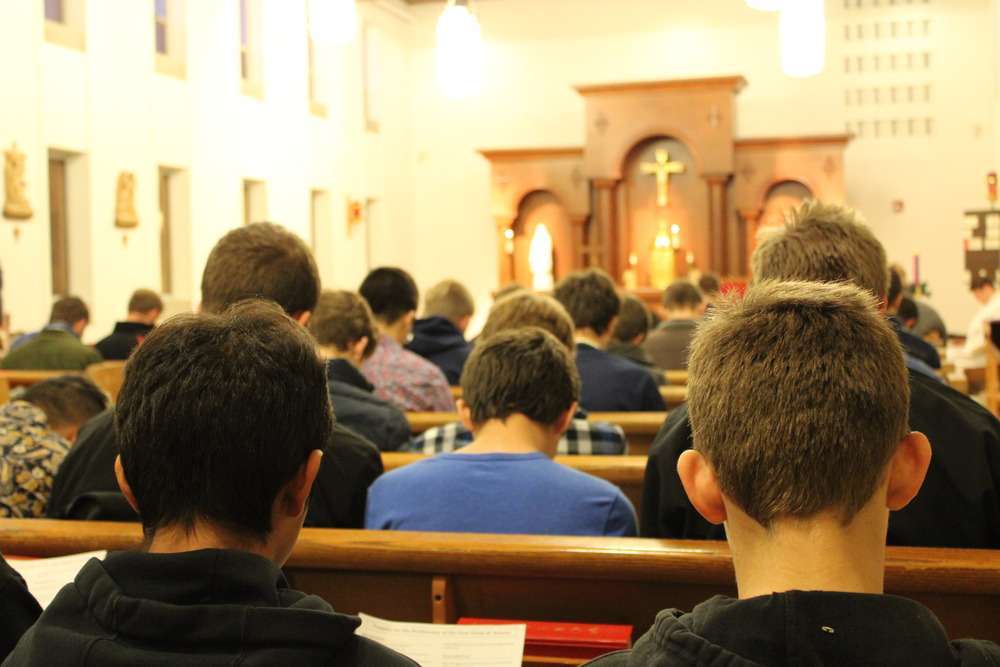
Castle Nights are opportunities for high school men to join the Bishop Bruté College Seminary Community for prayer, a meal, and conversation with our college seminarians.
Here is the upcoming schedule of Castle Nights:
November 15
January 17, 2024
March 20, 2024
If you know a young man that might be interested in attending, more information and registration can be found here.
Pray for our Seminarians
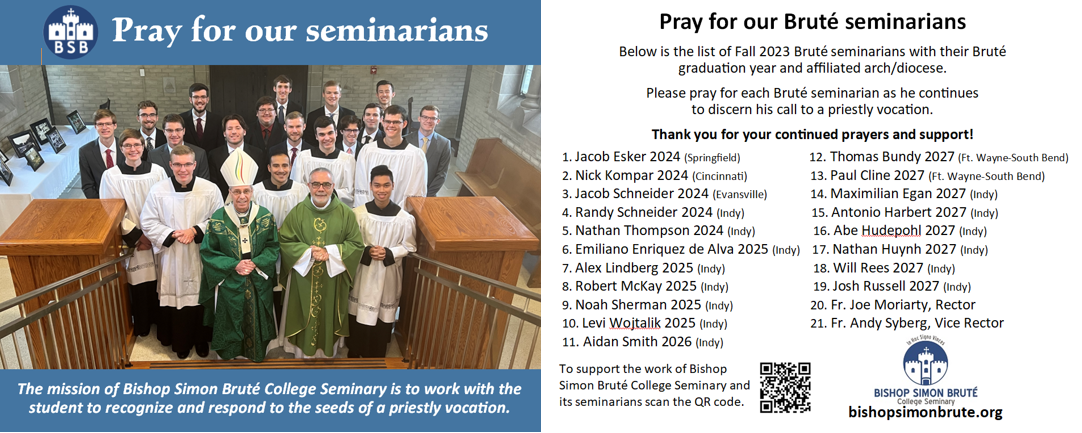
Please pray for our Bruté Seminarians. Find a printable version of this prayer card on our website.
Save the date for the 2024 Legacy Gala

Join us on February 9 for the fourth annual Archdiocese of Indianapolis Legacy Gala benefitting Catholic Charities, Catholic Schools and Bishop Simon Bruté College Seminary. Evening includes dinner and open bar, awards, auction and music from The Bishops! To sponsor or purchase tickets visit www.archindy.org/LegacyGala.
STRESS-FREE END OF YEAR GIVING

As we enjoy the current fall days, we know the end of the year season of giving is fast approaching. We find that a majority of our donors choose to support their favorite parish, school, ministry or United Catholic Appeal at the end of the year. While we understand that December is a popular time for our donors to be generous, we do encourage you to make these arrangements sooner than later.
Especially if you plan to make a gift of stock or give from your IRA or donor-advised fund, the earlier you arrange to make this gift, the better. These types of gifts normally take longer to process. The first step in making these types of gifts is to contact your custodian or broker to request the amount you wish to donate and to which charity. The next step is to complete our Archdiocesan form that informs us of your donation details so that we can anticipate your gift and follow through on your intentions. These forms can be found by clicking the appropriate button in the upper right-hand corner of our CCF website at www.archindy.org/CCF.
We experience a high volume of giving from now through December. Additionally, the Catholic Center will be officially closed for Christmas from December 22, 2023, through January 1, 2024. While we continue to monitor mail and gifts as they arrive, to qualify as a 2023 contribution, all gifts must be postmarked no later than December 31, 2023.
If you have questions, please reach out to us at ccf@archindy.org or call 317-236-1482.

Follow us on Facebook at Bishop Simon Bruté College Seminary

Follow us on Instagram at

For more information

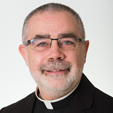

- If you wish to contact Bruté Rector Fr. Joe Moriarty, you can reach him at jmoriarty@archindy.org or call 317-924-4100.
- To inquire about donating to Bruté, please contact Ellen Sanders at esanders@archindy.org or call 317-236-1501.